 Skip to content
For energy, water, and infrastructure providers
Efficient control of utility vehicles
Utility companies face complex daily challenges: coordinating emergency responses, meeting maintenance schedules, and reliably serving customers. With routecontrol utility software, you manage your vehicles, technicians, and jobs centrally in one platform. Thanks to GPS vehicle tracking, real-time data, and automated reports, you always maintain control over costs, operating times, and service quality.
- Fahrzeuge und Monteure live lokalisieren
- Termine und Notfalleinsätze effizient koordinieren
- Automatische Reports und Kostenkontrolle

Benefits of routecontrol for utility providers
Full operational overview
Keep all vehicles, technicians, and jobs in one centralized view. Location data and job status are always transparently available.
Fast emergency response
Coordinate urgent operations flexibly and dispatch vehicles efficiently. Real-time data enables quick decisions during outages.
Optimized scheduling
Plan maintenance and service jobs more efficiently — automated processes reduce delays.
Transparent location tracking
Use GPS vehicle tracking for seamless monitoring of vehicles and operating times.
Long-term cost reduction
Analyze fuel consumption, maintenance costs, and vehicle utilization to identify savings potential.
Automated documentation & reporting
Generate detailed reports on driving times, breaks, locations, and job durations.
All operations in one platform
Central control for complex utility processes
Utility companies manage a wide range of daily operations — from maintenance work and customer requests to emergency incidents. routecontrol consolidates all fleet and operational data into a centralized software solution, enabling transparent fleet control.
With GPS vehicle tracking, you always know where your vehicles and technicians are. This allows you to plan service operations efficiently, meet time windows reliably, and proactively inform customers about status changes. Automated notifications also help schedule maintenance on time and avoid unexpected vehicle downtime.
Detailed reports provide key insights into operating times, fleet utilization, and cost development. This improves long-term efficiency while ensuring compliance with industry-specific documentation requirements.
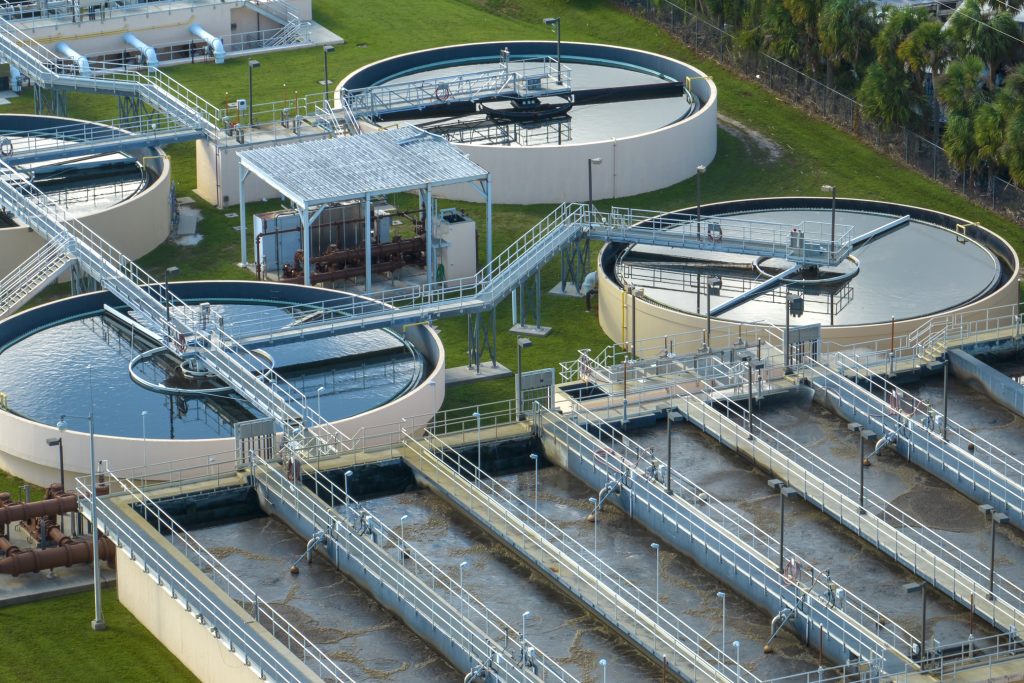
- Highlights for utility providers
GPS vehicle tracking
Track the location of your vehicles in real time.
Job management
Plan, assign, and track routes in real-time.
Fleet management
Control all vehicles, drivers, and data in one platform.
Digital logbook
Automatic and audit-proof trip documentation.
Discover the full potential.
FAQ
Frequently asked questions
Who is the utility software from routecontrol suitable for?
routecontrol is suitable for public and private utility companies as well as infrastructure operators. This includes electricity, gas, water, and district heating providers, as well as service companies for maintenance, network operations, and technical services. The software supports companies of all sizes in efficiently managing vehicles, technicians, and service jobs.
How does routecontrol help in emergencies or outages?
With GPS vehicle tracking and real-time data, dispatchers can immediately see which vehicle is closest to an incident location. Jobs can be reassigned flexibly, and drivers are informed directly via the Driver App. This significantly reduces response times and helps resolve service interruptions more quickly.
Can maintenance and service operations be planned with routecontrol?
Yes. The software enables structured scheduling with automatic reminders and notifications. Maintenance intervals, inspections, and service jobs can be planned long-term and managed in a clear and organized way.
What data is recorded for reports and documentation?
routecontrol documents driving times, job durations, vehicle positions, idle times, and job status. This data can be analyzed, exported at any time, and used as proof for customers or authorities.
Does routecontrol support sustainable operations planning?
Yes. Through optimized route planning, reduced empty runs, and improved vehicle utilization, fuel consumption and CO₂ emissions can be significantly reduced. This benefits companies both economically and environmentally.